1.3
Patient hygiene and nutrition in hospital
Cleanliness or in other words good hygiene is essential for good health. Its importance increases in hospitals, where sick people come to treat their diseases.
Hospitals can become a potential source of spread of infection if the staff are not careful enough. A patient can be admitted for a bone fracture and under some circumstances can become sicker after acquiring some infection in the hospital.
Every hospital has to design its own infection control program. This includes measures for waste disposal, hygiene and cleanliness.
+
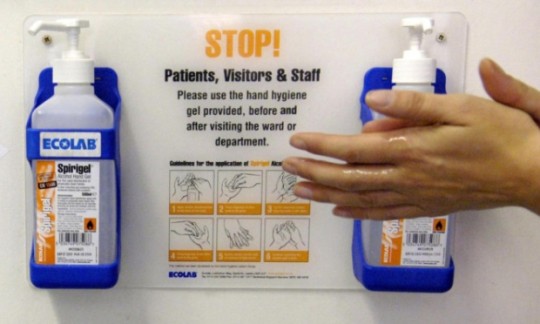
Source: Author Simon Berry, Hand washing sign with soap - google, license Creative Commons BY-SA 2.0.
Fig. 9. Hand hygiene
1.3.1
Patient hygiene
1.3.1.1
Administering Hygiene
Hygiene includes care of the skin, along with the hair, hands, feet, eyes, ears, nose, mouth, back, and perineum. This includes the bath, components of the bath, bed making, and assisting the patient in the use of the bed pan, urinal, and bedside commode.
1.3.1.2
Importance of Hygiene and Care.
The bath stimulates circulation in the skin and underlying tissues; it cleans and refreshes, promoting health and comfort; it provides some exercise for the patient; and similar to the opportunities available in making the occupied patient’s bed, it provides excellent opportunities for observation of the patient’s physical and emotional condition and for patient-centred conversation to promote good interpersonal relationships.
Administering a bed bath or partial bath
When a patient is either confined to bed, must conserve energy, or is helpless, the medical specialist may give the entire bath; however, the patient should do as much for himself as his conditions permit. All necessary equipment is provided and the areas the patient cannot reach are bathed for him. Each bed patient should have his back bathed and rubbed for him.
Sometimes a complete bath is too exhausting for a patient. Therefore, a partial bath may be given including the face, hands, axilla (region under the arms), genitalia, back, and buttocks.
While washing individual areas, the skin should be checked thoroughly for breakdown. During washing, range of motion should be done.
1.3.2
Patient Nutrition
Nutrition is a process of taking in food and using it for body growth and health, and replacing tissue. Good health is closely linked to good nutrition. The right kinds of food before, during, and after treatment can help the patient feel better. A healthy diet includes enough macronutrients, such as proteins, fats and carbohydrates and micronutrients, such as vitamins and minerals. Proper water intake is also crucial for good health.
+

Fig. 10. Patient nutrition
Nutrition can have a significant impact on hospitalized patient outcomes and nutrition specialists are in a key position to lead in the delivery of effective nutrition care.
Food provides the energy and nutrients needed to be healthy. Nutrients include proteins, carbohydrates, fats, vitamins, minerals, and water.
The key to healthy eating is to:
- Eating a variety of foods, including vegetables, fruits, and whole-grain products
- Eating lean meats, poultry, fish, beans, and low-fat dairy products
- Drinking lots of water
- Limiting salt, sugar, alcohol, saturated fat in the diet. Saturated fats are usually fats that come from animals.
Key points
- Good nutrition is important for patients.
- Healthy eating habits are important during and after the treatment.
- A registered dietitian is an important part of the healthcare team.
- Some treatments may cause side effects that affect nutrition.
Nutrition therapy is used to help patients keep a healthy body weight, keep body tissue healthy, maintain strength, and decrease side effects both during and after treatment.
+
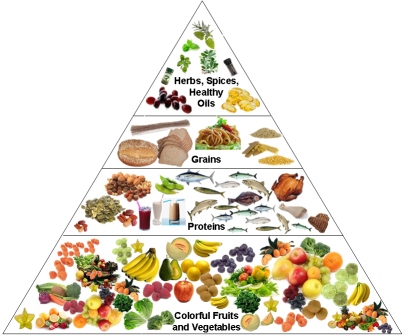
Source: Author Spmallare, Healthy nutrition pyramid with 7 to 9 servings of fruits and vegetables to get precious phytonutrients to feed your body at the cellular level Peter O Halloran Ppt fitness and nutrition, license Creative Commons BY 3.0.
Fig. 11. Healthy diet